
One of the most common questions new parents ask is: How much Tylenol can I give my baby? Whether it’s for teething pain, a fever, or post-procedure discomfort after a tongue-tie or lip-tie release, knowing the right dosage of Infant Tylenol is crucial for your baby’s safety and comfort.
In this comprehensive guide, we’ll cover everything you need to know about administering Tylenol by weight, how to measure accurately, when it’s appropriate to give it, and how Latched Beginnings plays a vital role in post-procedure care for infants. With evidence-based practices and a personalized approach, Latched Beginnings helps families confidently navigate healing and feeding success.
Why Infant Tylenol Is Commonly Recommended
Infant Tylenol (acetaminophen 160 mg/5 mL) is a trusted medication for managing mild to moderate pain and reducing fever. It’s often the first-line option for:
· Teething pain
· Ear infections
· Immunization-related discomfort
· Post-operative care (such as after tongue-tie or lip-tie release)
Unlike ibuprofen, Tylenol can be safely used for babies under six months of age, making it especially useful during infancy.
Dosage Is Based on Weight, Not Age
One of the most important facts to understand: Tylenol dosage is determined by your baby’s weight, not their age. Babies grow at different rates, so age-based dosing can lead to underdosing or—worse—overdosing.
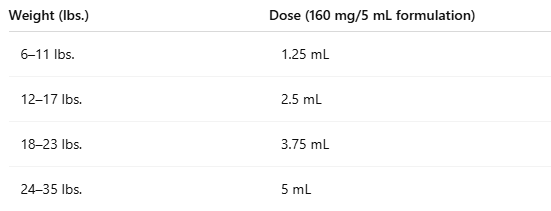
Always confirm your baby’s exact weight and consult your pediatrician for personalized recommendations.
How to Measure Infant Tylenol Safely
Accurate measurement is essential. Always use the oral syringe provided with the medication—never a kitchen spoon.
Steps for Safe Measuring: 1. Shake the bottle well. 2. Draw up the correct amount with the oral syringe. 3. Administer gently inside the cheek pocket. 4. Offer a small feeding after, if necessary.
Key Tips: – Wait at least 4 hours between doses. – Do not exceed 5 doses in a 24-hour period.
When to Give Infant Tylenol
Appropriate situations include: – Fever over 100.4°F in babies older than 3 months – Teething-related discomfort – Pain following a tongue- or lip-tie release (as prescribed)
Not recommended without professional input: – For infants under 12 weeks unless instructed by a doctor – For mild fussiness or feeding refusal unless tied to a specific diagnosis
At Latched Beginnings, we provide post-procedure care guidelines—including medication timing and dosage tailored to your baby’s weight—to ensure a smooth recovery.
Using Tylenol After a Tongue-Tie or Lip-Tie Release
Following a CO2 laser frenectomy at Latched Beginnings, it’s common for babies to experience temporary discomfort as tissues begin to heal. Infant Tylenol can be an important part of your recovery toolkit.
Why It Matters: – Minimizes inflammation – Reduces discomfort during post-procedure oral stretches – Encourages better feeding outcomes by reducing pain-related latch aversion
Our team recommends medication based on a full evaluation of your child’s symptoms, weight, and age. Each family leaves with a personalized aftercare plan, which may include: – Suggested Tylenol dosing schedule – Instructions on oral stretches – Feeding tips for post-release adjustment
Latched Beginnings is here to help your baby thrive by providing gentle, effective tongue-tie and lip-tie releases. With personalized care and a supportive team, we’re here to guide you and your little one toward a future of happy feeding, optimal growth, and lasting wellness.
Signs Your Baby May Need Tylenol (Post-Procedure)
· Increased crying during or after oral exercises
· Signs of pain or agitation during feeding
· Inability to sleep due to discomfort
· Swelling or mild inflammation near the procedure site
We coach parents to look for these signs and apply their aftercare plan accordingly, always prioritizing gentle, compassionate responses.
What Happens If You Overdose Tylenol?
Signs of Overdose Include: – Vomiting – Extreme drowsiness – Loss of appetite – Abdominal pain
If you suspect an overdose, contact Poison Control or your pediatrician immediately. Keeping a dose log and communicating clearly among all caregivers helps prevent accidental double-dosing.
Alternatives and Complementary Comfort Measures
While Tylenol is safe and effective, it’s not the only option for supporting your baby through discomfort.
Other Options: – Cold therapy (breast milk popsicles, cold pacifiers) – Skin-to-skin contact – Gentle massage – Soothing music or white noise
At Latched Beginnings, our integrative approach includes coaching on natural, holistic comfort methods in tandem with medical recommendations.
Common Parent Questions
Can I pre-dose my baby with Tylenol before a frenectomy? Generally no—pain evaluation helps assess effectiveness of the procedure. Always consult us first.
Can I alternate Tylenol with Motrin? Only under pediatrician supervision. Motrin is not safe for babies under 6 months.
How long should I continue giving Tylenol after a procedure? Most babies only need it for the first 24–72 hours. Always follow the custom plan provided by our care team.
How Latched Beginnings Supports Families
We believe that comfort and care go hand in hand. Our mission isn’t just to treat oral ties—it’s to educate and empower parents throughout their journey.
Why Families Trust Latched Beginnings: – Advanced CO2 laser technology – Gentle, effective tongue- and lip-tie releases – Evidence-based pain management support – Personalized care plans based on weight, age, and health – Warm, responsive communication and follow-up
We treat every family with compassion, ensuring your baby receives the safest and most effective care available.
Conclusion
Infant Tylenol can be a safe, effective way to ease your baby’s discomfort when used properly. Understanding the correct dosage by weight is essential, especially after a procedure like a tongue- or lip-tie release.
At Latched Beginnings, we go beyond the procedure—we walk with you through healing, growth, and thriving. Whether you’re here for an evaluation or post-care guidance, we’re here to help.
Latched Beginnings is here to help your baby thrive by providing gentle, effective tongue-tie and lip-tie releases. With personalized care and a supportive team, we’re here to guide you and your little one toward a future of happy feeding, optimal growth, and lasting wellness.
Visit https://www.latchedbeginnings.com to learn more or schedule your consultation.
