When Someone Insists Your Baby Needs Water
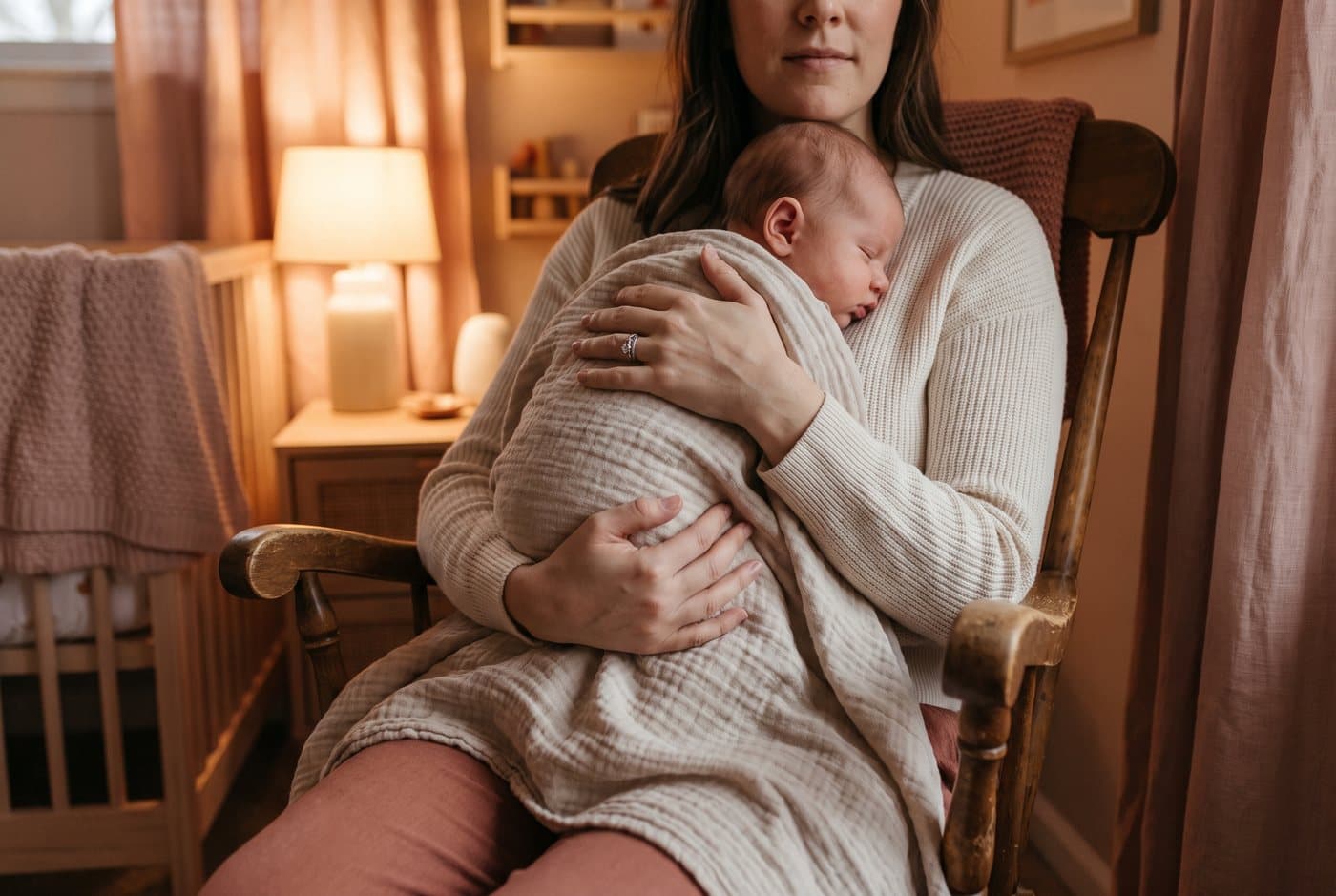
It's 104 degrees outside, the AC is straining, and your baby wants to nurse again, for the third time in two hours. Then a relative leans in: "He's thirsty, not hungry. Just give him a little water." Now you're second-guessing yourself: do breastfed babies need water in hot weather?
The short answer is no, not before about 6 months, even in a Texas heat wave. Breast milk (or formula, mixed as directed) covers all your baby's fluid needs, and both the American Academy of Pediatrics and the World Health Organization advise against water before then. What changes in the heat is how often your baby feeds, not what they drink.
At Latched Beginnings in Austin, we hear this every summer, often from parents caught between instinct and a grandparent's advice. Here's what the guidance says, how to handle an Austin summer with a little one, and when to call the pediatrician.
Why Breast Milk Is Enough, Even at 100 Degrees
Breast milk is mostly water. When it's hot, many babies simply nurse more often for shorter stretches, the way you'd take extra sips from a water bottle. Studies of exclusively breastfed babies in hot, dry climates found that healthy babies nursing on cue stayed well hydrated without extra water.
Water isn't a harmless extra, either. It fills a tiny stomach with zero calories, which can mean less milk at the next feed and, over time, less milk made. In larger amounts, plain water can dilute the sodium in a baby's blood, a rare but serious condition called water intoxication that can cause seizures. That's why the rule stays firm, even for "just a few sips."
What About Formula, Combo Feeding, and the 6-Month Mark?
The same goes for formula-fed babies. On hot days, offer extra formula feeds rather than water, and mix every bottle exactly as the label directs. Never add extra water to stretch a bottle, because diluted formula carries the same risk as plain water.
Mixed formula shouldn't linger in the heat, either: the CDC advises using it within 2 hours of preparation and within 1 hour once a feed begins. If you're combo feeding, extra nursing sessions, pumped milk, and formula all count toward hydration. Around 6 months, once solids begin, small sips of water from an open or straw cup with meals are fine.
How to Keep Your Breastfed Baby Hydrated in the Heat
Offer the Breast More Often, Even If Your Baby Doesn't Ask
Some babies clamor to nurse in the heat; others happily suck their hands and wait. Offer at natural transition points: after naps, before and after outings, and whenever you come in from outside. This isn't the week to stretch the time between feeds.
Make Nursing Less Sweaty for Both of You
Two warm bodies in a hot room can leave you both drenched. Nurse in the coolest room in the house, lay a thin cotton cloth between your arm and your baby's head, and try side-lying if the feeding pillow traps heat.
Take Care of Your Own Hydration
You'll likely feel thirstier than usual, so keep a full water bottle wherever you nurse or pump and drink to thirst. If you feel dizzy, confused, or unusually unwell in the heat, call your own doctor promptly.
Austin Summer Safety: Cars, Strollers, and Pumped Milk
Treat the Car as a Hot Zone
NHTSA reports that a car's interior can climb about 19 degrees in 10 minutes, and cracked windows don't stop it. Run the AC before buckling your baby in, touch the buckles first, and skip aftermarket cooling pads that didn't come with the car seat. Never leave your baby in the car, even briefly.
Keep Air Moving Around the Stroller
Draping a blanket over the stroller blocks sun but traps heat, and pediatric groups warn it can make the seat dangerously hot. Use the canopy or a breathable mesh shade, walk early or late in the day, and keep babywearing short, since it adds your body heat to your baby's.
Keep Pumped Milk Cool on the Go
The CDC says freshly pumped milk can sit out up to 4 hours at 77 degrees or cooler, and an Austin patio or parked car is far warmer. Use an insulated cooler with frozen ice packs touching the bottles (good for up to 24 hours), and never leave milk or pump parts in the car.
Signs of Dehydration or Heat Illness: When to Call the Pediatrician
Wet diapers are your best everyday gauge: after about day 5, a baby who's feeding well usually has 6 or more heavy wet diapers in 24 hours, with pale urine, and seems alert between feeds.
Call your pediatrician right away if you notice any of these:
- Fewer than about 6 wet diapers in 24 hours, or dark, strong-smelling urine
- A dry mouth, few or no tears, or a sunken soft spot
- Unusual sleepiness, trouble waking, or several refused feeds in a row
- A temperature of 100.4 degrees or higher in a baby under 3 months
- Vomiting, fast breathing, or hot, flushed skin after time in the heat
If your baby becomes limp, unresponsive, or very hot to the touch after heat exposure, call 911 and move them somewhere cool. A drop in feeding during a heat wave also deserves a weight check, especially for a slow gainer. Our guide to slow weight gain and feeding explains what pediatricians look for.
When the Heat Reveals a Feeding Problem
All of the "no water needed" guidance assumes a baby who can nurse efficiently and take more milk when they need it. Most babies do exactly that. But a baby with a shallow latch, or a tongue that can't move freely, may already be working hard at every feed, and hot weather raises the demand.
Signs worth a closer look include feeds that routinely drag on for 45 minutes or more, clicking or milk dribbling from the mouth, falling asleep at the breast before finishing, and nipple pain or creasing for you. Our article on painful breastfeeding and a shallow latch covers these in detail, and our free oral tie symptoms checklist can help you organize what you're seeing.
More frequent nursing in the heat is normal on its own. Many feeding struggles come from positioning, supply, or body tension rather than a tie, and not every tight frenulum needs a release, so evaluation always comes first.
How Latched Beginnings Helps Austin Families Feed Through the Heat
When it's 100 degrees out and your baby seems to nurse nonstop, it's hard to tell normal hot-weather feeding from something that needs attention. You don't have to sort that out alone.
Dr. Kacie Culotta, DMD, is the only dentist in Austin who holds both a laser certification for tongue-tie releases and a lactation counselor certification. In a 1-on-1 feeding and oral tie consultation, she watches a full feed, checks how the tongue lifts, extends, and cups (not just how it looks), and reviews your diaper and weight history. Our all-mom team works alongside IBCLCs, pediatricians, and bodyworkers, so if your baby needs lactation support or a weight check first, we'll help you get there.
Bring your diaper log, recent weights, and notes on how feeds have changed with the heat. Trust your instincts; we're here to guide you every step of the way.
Frequently Asked Questions
My mother-in-law says the baby is thirsty and needs water. Is she right?
She means well, but no. Babies under about 6 months get all the fluid they need from breast milk or formula, even in triple-digit heat. If she wants to help, bringing you a tall glass of water while you nurse is a perfect job.
Do breastfed babies need water in hot weather if they're sweating a lot?
No. A sweaty baby under 6 months still needs only breast milk, offered more often, as long as they're making about 6 or more wet diapers a day. Sweating is a cue to cool the room and dress your baby in one light cotton layer, not to add water.
Do breastfed babies need water in hot weather once they start solids?
They can start having a little around 6 months, as small sips from a cup at meals, while breast milk stays their main drink. The AAP's HealthyChildren.org puts the total at about 4 to 8 ounces of water a day until the first birthday.
Does hot weather affect breast milk supply?
Heat itself isn't known to lower milk supply, and the extra nursing that often happens on hot days tends to keep it steady. Supply follows milk removal, so keep offering feeds; many young babies nurse 8 to 12 times a day, and hot days can push that higher.
Is it okay to take my 4-month-old to an outdoor event when it's over 90 degrees?
Short, shaded outings early or late in the day are usually fine, but a midday parade or pool party in 90-plus heat is a lot for a young baby. Pediatric experts suggest limiting long stretches outdoors when the heat index tops 90 degrees.
Where can I get help in Austin if I'm worried my baby isn't feeding well in the heat?
Latched Beginnings offers 1-on-1 feeding and oral tie consultations at 1701 Simond Ave, Suite 107A, in Austin's Mueller area. We see families from Austin, Mueller, East and North Austin, Round Rock, Cedar Park, Pflugerville, Leander, and Georgetown; call (512) 814-7480.
Call to Action
If you started out asking "do breastfed babies need water in hot weather?" and it's turned into a bigger worry about whether your baby is getting enough, you don't have to wait it out. Schedule a 1-on-1 consultation with Dr. Kacie, and let's look at your baby's feeding together. When your baby thrives, you do too.